
The Obesity Code: summary and key ideas
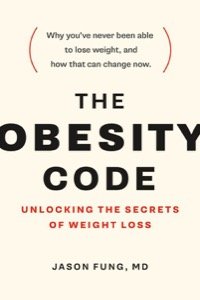
Author: Jason Fung | Publisher: Greystone Books | Year: 2016
The Obesity Code by Dr. Jason Fung challenges the conventional understanding of weight gain and obesity. Fung argues that the common focus on calorie counting and exercise is misguided, and that the real driver of obesity is hormonal, particularly the role of insulin. He presents a model where excess insulin, driven by dietary choices such as high carbohydrate and sugar intake, leads to fat storage and insulin resistance. The book also examines how factors like stress, sleep, and meal timing influence these hormones.
Fung draws on his clinical experience with kidney patients and type 2 diabetes to propose that obesity is not a simple energy balance problem but a hormonal disorder. He critiques standard dietary advice and the food industry's role in promoting processed foods. The solution he offers emphasizes reducing insulin levels through dietary changes, including carbohydrate restriction and intermittent fasting. The book includes practical guidance on what to eat and when to eat, along with sample meal plans and fasting protocols.
Key ideas in the book
- Obesity is primarily a hormonal disorder driven by insulin, not a simple calorie imbalance.
- Calorie restriction and exercise alone are ineffective for long term weight loss because they do not address the underlying hormonal causes.
- High insulin levels, caused by excess carbohydrates and sugars, promote fat storage and insulin resistance.
- Intermittent fasting and carbohydrate restriction can lower insulin and help reverse obesity and type 2 diabetes.
- Processed foods, especially those high in fructose, are particularly harmful and contribute to metabolic disease.
- Stress and poor sleep raise cortisol, which can increase insulin and worsen weight gain.
Who it is for
This book is for people who have struggled with weight loss and are open to a hormonal explanation for obesity, as well as those interested in intermittent fasting as a dietary approach.
Before you act on it
Published in 2016, some guidance may have changed. Always check with a healthcare professional before starting a fasting or low carbohydrate regimen, especially if you have diabetes or other medical conditions.
Buy the book on Amazon (affiliate link; we may earn a commission at no cost to you. Live price on Amazon.)
This page is an original summary written by DIABEETS from public information about the book. The book itself is the work of its author and publisher; we do not host or republish its text. Cover shown as a small thumbnail for identification. Disclaimer.